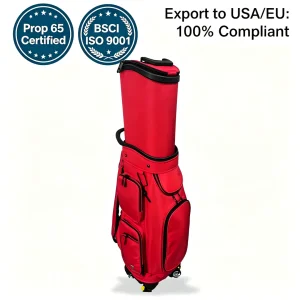
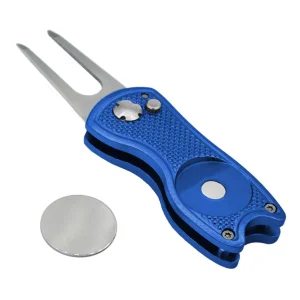
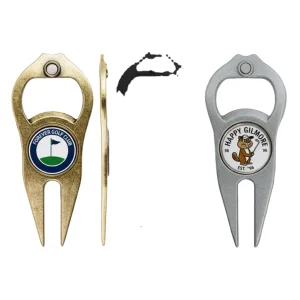
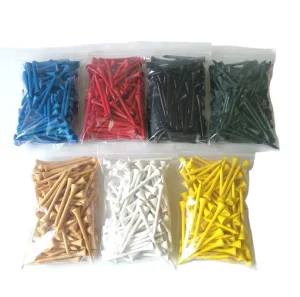
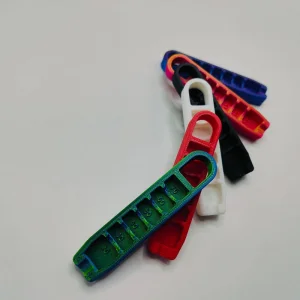
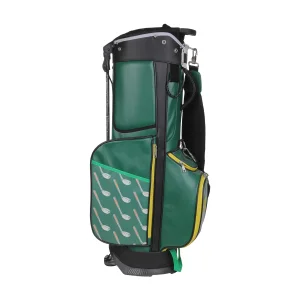
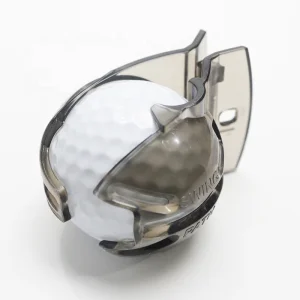
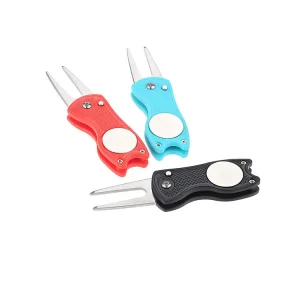
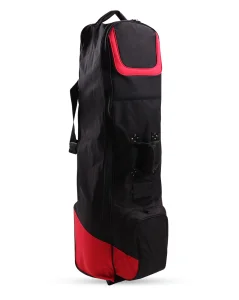
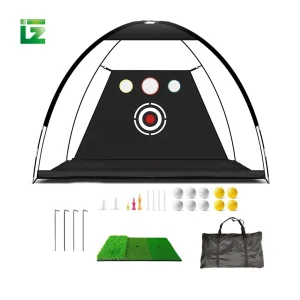
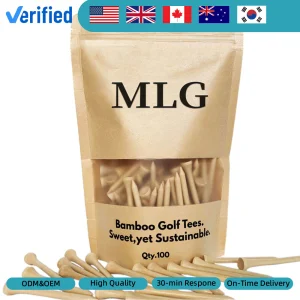
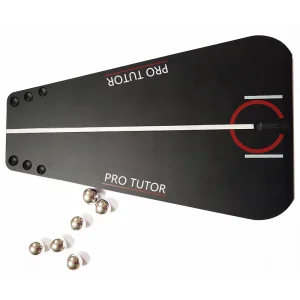
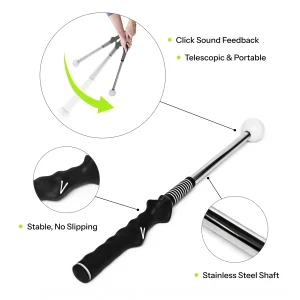
Discover our comprehensive range of custom accessories and training aids precision-engineered to improve swing dynamics and player performance.
Exploring the critical intersection of biomechanics, material engineering, and supply-chain logistics in the global golf accessory market.
In modern golf training and competitive play, the contact point between the player's hands and the club remains the single most critical interface affecting kinetic energy transfer, clubface control, and joint strain. Grip comfort is not merely a subjective preference; it is a biomechanical necessity that directly correlates with reduced muscle tension, preventing early-onset fatigue and stabilizing the swing arc.
Scientific studies in sports ergonomics demonstrate that excessive grip tension limits forearm rotation and wrist hinge fluidity, leading to inconsistent swing paths and a higher risk of repetitive strain injuries, such as medial epicondylitis ("golfer's elbow"). Custom OEM golf grip comfort enhancers, including wrap-on dampers, tactile-engineered underlistings, and micro-textured overlays, allow players to maintain optimal club control with minimal grip force, maximizing swing speed and precision.
To deliver true performance upgrades, leading factories focus on proprietary material blends. A typical comfort enhancer involves multi-layer structural configurations:
By adjusting the material durometer (softness rating), custom OEM factories can tailor the feel from firm, high-feedback levels preferred by low-handicap players to soft, high-cushion configurations optimal for recreational and senior golfers.
An analysis of procurement pipelines, raw material accessibility, and logistics strategies for global sporting goods distributors.
Large-scale purchasers demand highly customizable molds, private labeling capabilities, and custom-embossed logos. We provide precision injection and compression molding options to align with strict brand visual guidelines.
Global sourcing hinges on environmental compliance. Sourcing raw materials that pass strict REACH and RoHS directives ensures seamless customs clearances into North American and European markets.
With seasonal demand shifts in the golf industry, our factory guarantees structured lead times, utilizing streamlined maritime pipelines and express air freights for replenishment inventory.
Tracing our path from a local specialized workshop to a global leader in high-performance golf training solutions and ergonomic golf accessories.
Guangzhou Lulit Golf Co., Ltd. is a professional manufacturer specializing in golf accessories, training aids, alignment tools, and performance improvement equipment for golfers of all skill levels. The company focuses on developing practical and innovative solutions that help players improve swing consistency, accuracy, and overall game performance.
Since its establishment, Lulit Golf has evolved from a small workshop producing basic practice accessories into a full-scale golf training equipment manufacturer. In its early stage, the company mainly supplied essential practice tools for driving ranges and golf academies. With increasing global demand for structured golf training solutions, the company gradually expanded its product development system and invested in ergonomic design, material innovation, and user-centered performance testing.
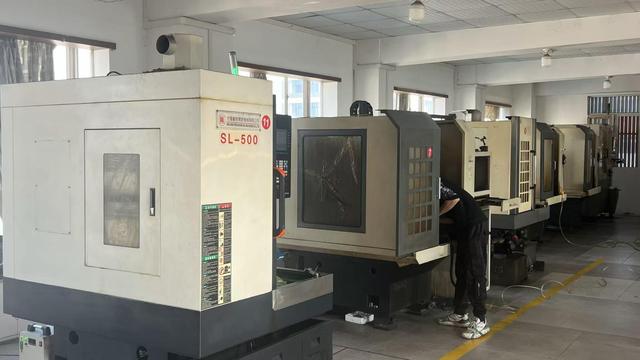
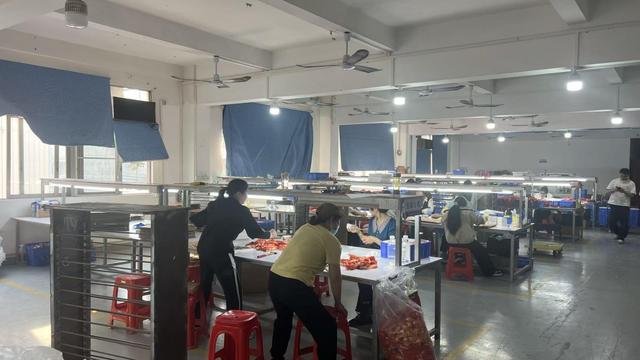
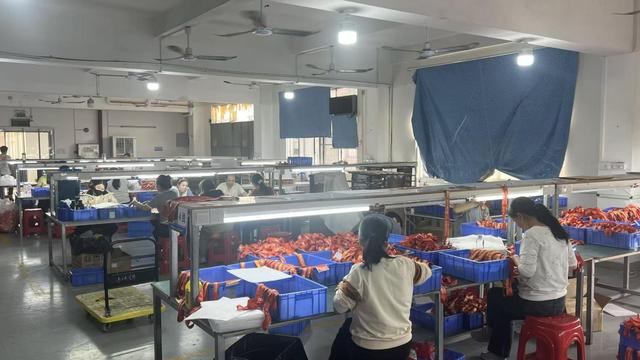
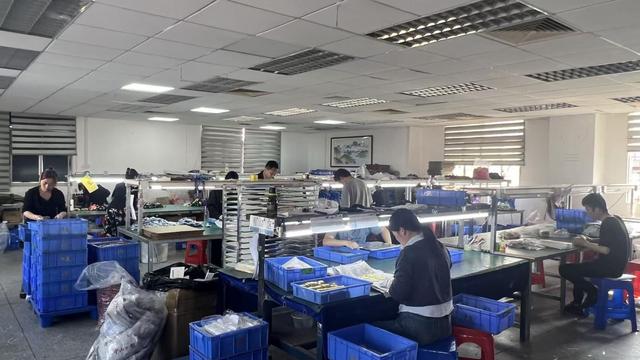
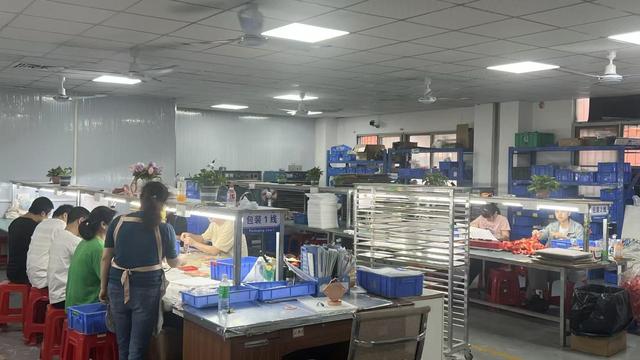
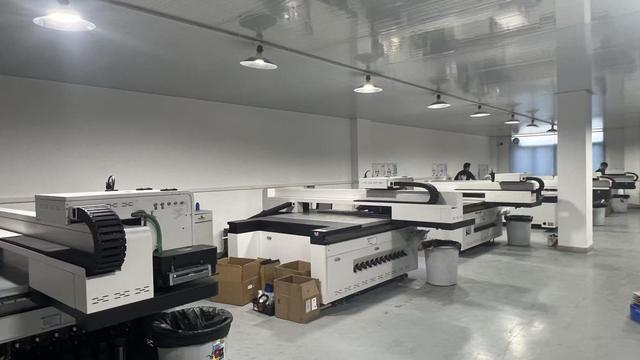
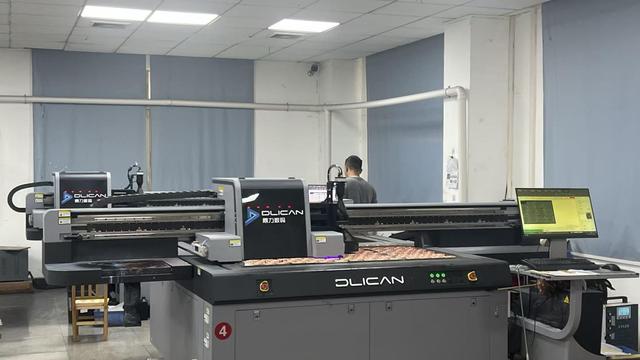
During its growth phase, Guangzhou Lulit Golf strengthened its production capabilities with advanced molding, precision assembly, and quality inspection systems. The company expanded its product range to cover swing training aids, putting alignment systems, grip improvement tools, and full-course practice solutions. It also began collaborating with golf instructors and training institutions to better understand player behavior and optimize training effectiveness.
Today, Lulit Golf serves customers across international markets, including golf clubs, sports retailers, training centers, and online distributors. The company is committed to improving golf performance through accessible and scientifically designed training accessories. With continuous innovation in biomechanics-based training tools and smart practice systems, Guangzhou Lulit Golf Co., Ltd. aims to become a leading global supplier in the golf accessories and performance training industry, helping golfers achieve more consistent, efficient, and enjoyable gameplay.

Our strategic plan for developing next-generation golf gear comfort materials, sensor integration, and smart feedback solutions.
As the golf market moves towards data-backed training paradigms, comfort enhancers are evolving from passive shock absorbers to active data gatherers. Our technical roadmap highlights our key focus areas over the coming years:
Implementing nano-scale texturing on rubber and polyurethane materials. These advanced designs increase tactile grip even during heavy rain or high sweat levels. It reduces the dependency on high-tack chemicals that degrade over time when exposed to UV radiation.
Developing bio-sourced polymers from sugarcane and corn husks to replace petroleum-based urethanes. This addresses the growing corporate demand for carbon-neutral golf gear components and meets international environmental regulations.
Integrating ultra-thin, flexible pressure sensors inside comfort enhancers and practice training aid grips. This allows real-time data capture of grip pressure throughout the swing arc, sending data straight to connected mobile apps for instant swing corrections.
Answers to common manufacturing, personalization, and import/export questions for international buyers.
For custom OEM orders involving proprietary molds, colorways, and logos, our standard MOQ starts at 1,000 units. For off-the-shelf catalog accessories and select practice aids, we offer flexible lower limits to accommodate test markets and boutique distributors.
Our facility runs under an ISO 9001:2015 certified quality framework. Every production run undergoes Shore hardness testing, thickness calibration checks, tensile pull tests, and weather-aging simulations to ensure consistent performance from the first unit to the last.
Yes. All raw elastomers, polyurethanes, and adhesives used in our production lines are verified free of toxic plasticizers, matching RoHS requirements and California Proposition 65 standards. Compliance documents are provided on request during the contract phase.
Once the 3D files are approved, building the physical mold takes 15 to 20 days. Initial prototype samples are then extruded, evaluated, and shipped to our clients for verification within 7 days, securing a fast developmental pipeline.
Absolutely. We offer complete ODM packaging support, including eco-friendly display boxes, custom-printed paper wraps, clear blister sleeves, and retail display racks complete with barcode and logistics labels.
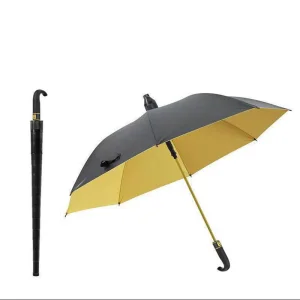
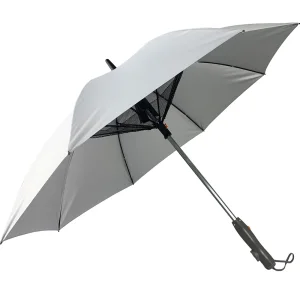
Explore more of our highly customized, robust golf gear, from alignment tools to windproof, high-cooling umbrellas.
 Lulit Golf