How to Stop Losing Balance During Your Golf Swing?

Time:2026-09-25 Author:Ethan
0%

Losing balance during a golf swing can turn a solid strike into a weak shot—or send the ball far off target. You may feel your weight spill toward your toes, rock back onto your heels, or drift sideways as the club moves through impact. These small movements are easy to miss at full speed. They become obvious when you hold your finish and struggle to stay still.

A useful question is: what causes loss of balance during golf swings? Common factors include a stance that is too wide or narrow, excessive body sway, poor posture, and a rushed transition from backswing to downswing. Trying to swing harder can also disrupt control, especially when your lower body and arms move at different speeds. Sometimes, though, the cause is less obvious. A grip change, tired legs, or an uneven lie may affect your stability. Not every golfer has the same issue.

This guide explores practical ways to build a more balanced swing, starting with posture, stance, and controlled movement. You’ll learn simple checks you can try at the range, such as finishing with your chest facing the target and holding your position for a few seconds. Small details matter. A drill may help, but it is not a magic fix; pay attention to what changes from shot to shot. If balance problems come with pain or dizziness, stop practicing and seek appropriate professional advice.
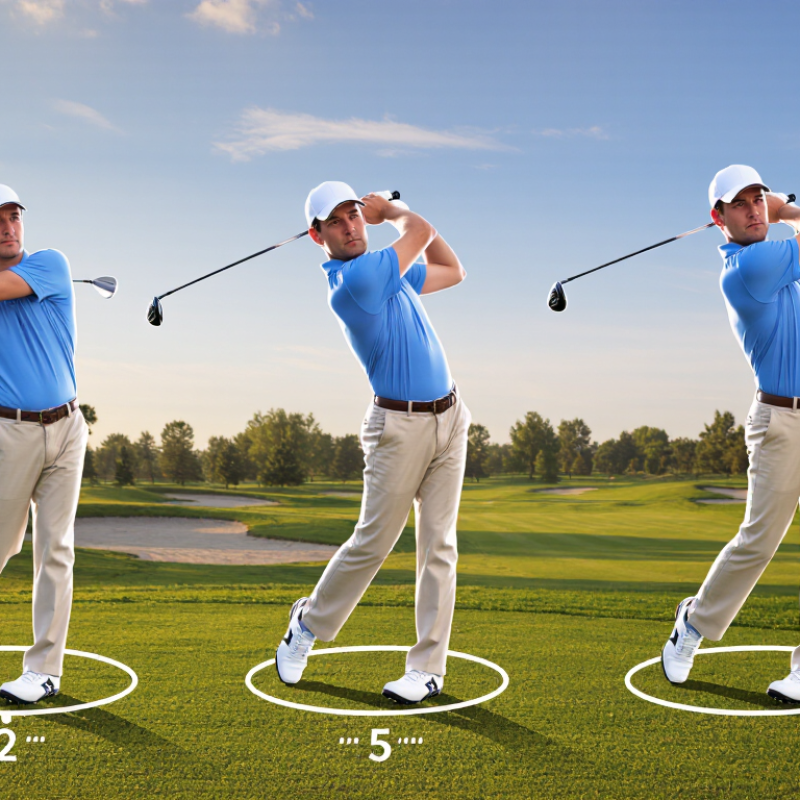
How to Stop Losing Balance During Your Golf Swing?

Common Causes of Balance Loss During a Golf Swing

Balance loss often starts before the club reaches the ball. A stance that is too narrow, a rushed backswing, or excessive sway can move your weight beyond your feet. So can gripping too tightly; tension restricts rotation and encourages the upper body to lurch. Small shifts matter. If your shoes slide or your toes lift during the swing, check your footing and posture before changing your technique.

The 2023 Golf Around the World report estimated 66.6 million golfers across 146 countries. That figure measures participation, not balance faults, so it cannot explain an individual swing. Common mechanical causes include standing too far from the ball, locking the knees, and trying to generate power by leaning toward the target. Fatigue can also make your finish wobbly, especially after repeated swings. Notice where you lose control: during the backswing, at impact, or as you finish. A simple video from face-on can reveal whether your head drifts, your hips slide, or your feet shuffle. I might blame my shoes too quickly; sometimes the real issue is an unstable setup.

Assessing Your Setup and Posture

Before changing your swing, check how you stand. Set your feet about shoulder-width apart, with pressure spread across the heels and the balls of both feet. Your knees should flex softly, not lock or bend deeply. Hinge from your hips until your arms hang naturally. A side-view phone video can reveal a rounded back or a setup that shifts your weight toward your toes. Small details matter. If your toes grip the ground or your heels feel light, reset and notice the difference.

Then test your posture with a slow rehearsal swing. Keep your chest over the middle of your stance and your head steady, without forcing it still. If you sway before the club reaches waist height, your stance may be too wide, or your balance may already be compromised. A 2017 review in the British Journal of Sports Medicine reported that golfers commonly walk roughly 4–8 miles during a round. That repeated movement makes a comfortable, repeatable setup more useful than a rigid pose. I still find it easy to mistake stiffness for stability; it isn’t. Ask a qualified golf coach or physiotherapist to assess your setup if discomfort or persistent balance problems remain.

Building a Stable Stance Before the Swing

A balanced swing begins before the club moves. For a mid-iron, set your feet about shoulder-width apart, with toes slightly turned out. Let your knees soften, not squat. Keep pressure even across both feet, and feel the ground beneath your heels and the balls of your feet. You should be able to lift your toes briefly without rocking backward. Then make a slow rehearsal turn. If your hips sway or your shoes twist, narrow the motion and reset. Small adjustments matter.

Keep your head level and your chest relaxed; a rigid stance can feel stable but restrict your turn. The National Golf Foundation’s 2023 participation report counted 26.6 million U.S. on-course golfers. That figure measures participation, not balance, so use your own setup as the useful data. Record ten slow practice swings from behind. Note how often you step, shuffle, or feel pressure move to your toes. I still find it tempting to widen my stance when a swing feels loose, but that can make turning harder. Try one change at a time: foot width, knee bend, or pressure. Boring? A little. Useful, too.

How to Stop Losing Balance During Your Golf Swing

Build a stable stance before you swing. As a practical rule of thumb, use a narrower stance for short clubs and a wider stance for the driver.

These approximate setup guidelines express stance width relative to your own shoulder width; they are not measured research results or fixed rules. Keep your weight balanced between both feet, with knees relaxed, and choose a width that lets you finish the swing without stepping or swaying.

Controlling Weight Shift and Swing Mechanics

How to Stop Losing Balance During Your Golf Swing?

Balance depends on a controlled weight shift, not a dramatic lean. Start with your feet about shoulder-width apart and your knees softly bent. At the top of the backswing, feel pressure build under the inside of your trail foot. Your head may move slightly, but avoid sliding your whole body away from the target. A small turn is enough.

Tips: Make a slow practice swing beside a chair or wall. Keep a little space between you and it. If you bump it, reduce your sway. Finish with your chest facing the target and hold your pose for three seconds. It’s a simple test, though it can feel awkward at first.

During the downswing, let pressure move toward your lead foot as your hips and torso rotate. Don’t force a huge step or lunge; that often pulls the club off line. If you stumble after impact, shorten the backswing and swing at a comfortable speed. Check your shoe soles, too: wet grass or uneven ground can change your footing. Balance work helps, but some loss of stability may come from the lie, not your swing alone.

How to Stop Losing Balance During Your Golf Swing? — Controlling Weight Shift and Swing Mechanics

Swing Stage Balance Check Weight-Shift Cue Common Cause of Instability Practice Drill
Address Feet are about shoulder-width apart; pressure feels steady across both feet. Start with pressure distributed comfortably between both feet rather than leaning onto the toes or heels. Stance is too narrow, posture is too upright, or weight is set too far toward the toes. Take several slow setup positions and check that you can gently move your hips without losing your footing.
Takeaway Head and torso remain centered while the club begins moving away from the ball. Let the shoulders and hips turn together; avoid shifting the whole body away from the target. Swaying laterally instead of turning around a stable posture. Make half-swings with feet close together, using a smooth turn and a controlled finish.
Top of backswing Posture is maintained and the golfer can pause briefly without stepping or rocking. Allow pressure to build toward the inside of the trail foot while keeping the trail knee comfortably flexed. Over-rotating, straightening the trail leg, or letting pressure roll to the outside edge of the foot. Pause at the top of a slow practice swing, then check that the trail foot still feels grounded.
Transition The change of direction is smooth, with no lunge toward the target. Begin the downswing with a gradual pressure shift toward the lead foot, followed by rotation. Starting with an abrupt upper-body throw or sliding the hips too far sideways. Rehearse short swings from the top at half speed, focusing on a smooth shift before accelerating.
Impact Body remains supported over the feet; balance is not lost toward the toes or away from the target. For many full swings, pressure is moving toward the lead side while the body continues rotating. Trying to lift the ball, hanging back, or moving laterally without turning through. Hit short shots at reduced speed and finish each one without taking a step.
Finish Hold the finish for two to three seconds with the chest generally facing the target. Finish supported mainly on the lead leg, with the trail foot balanced on its toe. Swinging faster than posture and footwork can support, or stopping the rotation abruptly. Make a balanced practice swing, freeze the finish, and repeat only when you can hold it comfortably.

Practice guideline: Begin with short, slow swings and increase speed only while you can maintain balance. These checkpoints are general coaching cues; individual setup and movement can vary.

Practicing Balance Through Targeted Drills

Balance is easier to practice when each swing has a clear task. Begin with slow half-swings, keeping your feet about shoulder-width apart. Notice whether pressure shifts smoothly from your back foot toward your front foot. Keep your knees soft, and avoid forcing a bigger turn. If you wobble, reduce your swing speed.

Try three targeted drills. First, make several gentle swings with your feet close together; this encourages a centered motion. Next, rehearse a step-through swing, letting your back foot move forward after contact. This can help you feel how weight transfers without freezing your lower body. Finally, hold your finish for three seconds after each shot. Stay balanced over your front foot, with your chest facing the target. Pause. Reset before the next swing.

Practice these drills with a short iron, then try them with your usual club. A phone video from the side can reveal a sway you may not feel. Keep notes on which drill helps, and when your balance slips. These exercises will not fix every cause of instability; fatigue, uneven ground, or rushing can still affect your swing. I sometimes find the feet-together drill makes me overly cautious, so I follow it with normal swings and check whether the feeling carries over.

FAQS

How can I shift my weight without losing balance?

Stand with your feet about shoulder-width apart and knees softly bent. At the top, feel pressure under the inside of your back foot. Avoid a dramatic lean.

What can I do to check for too much sway?

Make a slow practice swing beside a chair or wall, leaving a little space. If you bump it, reduce your sway. Hold your finish for three seconds.

Where should my weight move during the downswing?

Let pressure move toward your front foot as your hips and torso rotate. A huge step is not needed. Not a lunge.

Which drills can help improve balance?

Try gentle swings with your feet close together, then rehearse a step-through swing. Finish each shot by holding your pose for three seconds. Pause.

How can I tell if my swing is swaying?

Record a side-view video with your phone. It may show movement you did not notice while swinging.

Which club should I use for balance drills?

Start with a short iron and slow half-swings. Then try your usual club and see whether the balanced feeling carries over.

Why might I still stumble after a shot?

Fatigue, rushing, wet grass, or uneven ground can affect your footing. Instability does not always come from your swing alone.

What if the feet-together drill makes me feel cautious?

That can happen. Follow it with normal swings and check whether the feeling carries over. I sometimes find the drill makes me too careful.

Conclusion

Losing balance during a golf swing can make your shots less consistent and put unnecessary strain on your body. Understanding what causes loss of balance during golf swings is the first step toward improving control. Common issues include poor posture, a stance that is too narrow or too wide, excess tension, and shifting weight too quickly. Before swinging, check that your feet are comfortably grounded, your knees are softly flexed, and your upper body is tilted from the hips without hunching.

A balanced swing relies on a smooth weight transfer rather than a sudden lunge or sway. Keep your movement controlled, rotate through the shot, and finish with your weight supported on your lead side. Simple practice drills can help: make slow swings while holding your finish, rehearse weight shifts without a club, or take shorter swings while focusing on steady footing. With regular practice, you can build a more stable setup and a balanced, repeatable motion.

Ethan

Ethan

Ethan is a seasoned marketing professional with a deep expertise in our company's innovative product line. With a passion for sharing knowledge and insights, he takes the lead in regularly updating our corporate blog, where he explores industry trends, product features, and effective marketing......