Traveling with golf equipment can be stressful. Ensuring your gear arrives safely is crucial. As noted by golf travel expert Mark Johnson, "Protecting your golf clubs is as vital as selecting the right clubs for your game." His insights highlight the importance of safeguarding equipment during travel.
When planning a trip, consider how to protect golf equipment during travel. Using a sturdy travel case is essential. Opt for a case lined with padding to absorb shocks. Also, secure your golf clubs with extra cushioning to prevent movement. Monitor the weather; moisture can damage your gear if not properly stored.
Additionally, check airline policies regarding sports equipment. Understanding these rules can prevent mishaps at the airport. Remember, even with precautions, accidents can happen. Reflect on your travel methods to improve your strategy for next time. Your golf equipment deserves the best protection when you're on the go.
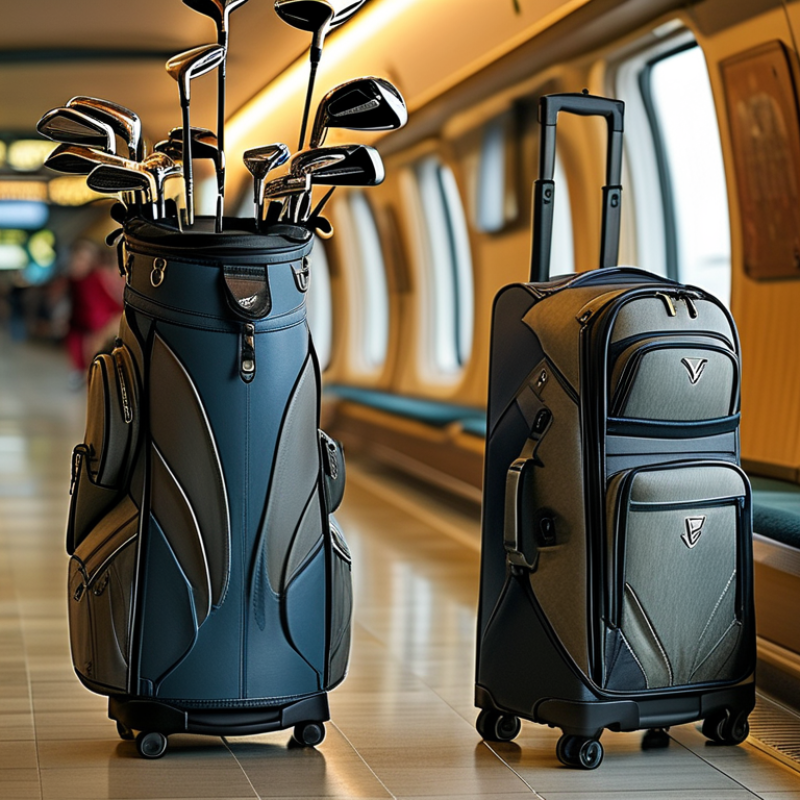
Choosing the right travel bag for your golf equipment is essential for protection during travel. According to a 2022 report from the National Golf Foundation, nearly 30% of golfers travel with their clubs. Many face issues such as equipment damage. The right bag can minimize such risks.
Consider a hard-shell travel case for superior protection. These are designed to absorb impact and shield fragile components. Look for features like padded interiors and secure closures. They prevent movement, reducing the chance of damage. A well-selected bag can extend the life of your equipment significantly.
Tip: Always check for a good warranty. Some quality bags offer warranties that cover accidental damage during travel. This demonstrates reliability and can save you money in the long run.
Also, think about weight and portability. A bulky bag can be cumbersome at the airport. Pick a lightweight option that’s easy to carry, but still provides adequate protection. Evaluating materials is key. High-density plastics and durable fabrics often provide better defense against wear and tear.
Tip: Read reviews from other golfers. Their experiences can offer insights into which bags have truly stood the test of travel. An informed choice can make all the difference in preserving your game.
When traveling with golf clubs, it is essential to understand airline policies. Each airline has different rules regarding the transportation of sporting equipment. Before your trip, check the specific guidelines for your airline. Many carriers treat golf bags as standard luggage, but some may have additional fees. Knowing these details can save you money and hassle.
Tips: Always pack your clubs securely. Use a travel case with padding to prevent damage. If possible, remove the heads of your clubs to save space and reduce the risk of breakage. Also, packing extra clothes or towels around your clubs can provide additional cushioning.
Be aware of weight limits for checked luggage. Some airlines impose strict weight restrictions, and exceeding them can lead to hefty charges. If your golf bag is heavy, consider removing some items to lighten the load. This small adjustment can help you avoid last-minute surprises at the airport.
Investigate insurance options for your equipment. While traveling, clubs can be lost or damaged. Although most airlines offer some form of compensation, it might not cover the total value of your equipment. If you frequently travel, think about adding specific insurance for your golf gear. This approach can give you peace of mind on your trips.
Traveling with golf equipment can be daunting. Protecting your clubs is vital. One effective method involves using golf club headcovers. These covers shield the heads from dents and scratches during transit. Different materials provide varied levels of protection. Soft fabric headcovers can absorb impact, while hard-shell covers offer robust defense.
When packing, padding plays a crucial role. Invest in travel bags with added cushioning. Adding foam or bubble wrap around club heads is an excellent strategy. This extra layer helps cushion the equipment. Securely fasten the covers to prevent movement. Check for wear and tear regularly. Sometimes, a damaged cover can cause more harm than good.
Tips: Always double-check your gear before leaving. Ensure all headcovers are securely in place. Use padded straps to support the bags during travel. Consider repacking if anything feels loose. A little extra effort can save your equipment from serious damage.
Traveling with golf equipment poses various weather-related risks. Rain, snow, and extreme heat can damage your gear. Proper preparation is essential when you hit the road. Consider using waterproof covers for your bags. These affordable covers can shield your clubs from unexpected rain.
Always check the weather forecast before your trip. This information helps you pack accordingly. For instance, if you expect rain, include extra towels and plastic bags for wet items. Pesky humidity can affect your grips, so keep them dry. A small, portable dehumidifier fits perfectly in your travel kit.
Lastly, be mindful of temperature changes during your journey. Cold weather can stiffen materials, while heat can warp clubs. Place your equipment in temperature-controlled areas, when possible. Try to limit exposure to extreme conditions. Remember, protecting your gear requires diligence and a bit of foresight.
Traveling with golf equipment can be daunting, especially when it comes to protecting it from potential damage or loss. Many golfers overlook the importance of insurance options tailored for their gear. According to a report from the National Golf Foundation, around 70% of golfers have experienced some form of equipment loss or damage during travel. This statistic underscores the need for golfers to be proactive in safeguarding their investments.
Typical homeowners’ insurance may not cover specialized equipment like golf clubs. Specialized golf equipment insurance can offer better protection. Policies may cover theft, damage, or even loss during transit. Some options include personal articles policies that require itemized lists of your equipment for coverage. Don't forget to read the fine print. Coverage limits can vary significantly among insurers, and exclusions may apply.
Moreover, consider asking about "replacement value" coverage. A common mistake is opting for cash value coverage, which deducts depreciation. For example, if a club is stolen, a policy with replacement value would cover the cost of purchasing a new one at current market prices. Understanding these nuances will empower golfers to make informed decisions about protecting their gear. It’s essential to navigate the complexities of insurance carefully to avoid overpaying or facing unexpected out-of-pocket expenses.
: The right bag protects your equipment from damage during travel, minimizing risks like dents and scratches.
A hard-shell travel case offers superior protection by absorbing impact and shielding fragile components effectively.
Look for padded interiors and secure closures to prevent movement during transit, reducing the chance of damage.
A good warranty covers accidental damage, providing peace of mind and saving you money if issues arise during travel.
Weight matters. A lightweight option is easier to carry but should still provide adequate protection for your clubs.
High-density plastics and durable fabrics often provide better defense against wear and tear while keeping equipment safe.
Headcovers shield club heads from dents and scratches during transit, with soft or hard materials offering different levels of protection.
Adding foam or bubble wrap around club heads adds extra cushioning, further protecting your equipment from impact.
Double-check that all headcovers are in place and use padded straps to support bags, preventing loose movement during transit.
Regularly checking for wear and tear is crucial; a damaged cover can cause more harm than leaving it on.
Traveling with golf equipment requires careful planning to ensure everything arrives safely at your destination. When considering **how to protect golf equipment during travel**, the first step is selecting the right travel bag. A high-quality protective bag can prevent damage during transit. Additionally, understanding airline policies regarding the transportation of golf clubs is essential to avoid any surprises or complications at the airport.
Using golf club headcovers and extra padding can provide an additional layer of safety for your clubs. It's also important to plan for potential weather-related risks, which can affect the condition of your gear during travel. Lastly, investing in insurance options for your golf equipment can provide peace of mind, as it ensures that you are covered in case of theft or damage. By following these guidelines, you can enjoy your golf journey without the stress of worrying about your equipment.

Lulit Golf