Choosing golf accessories in 2026 should begin with your swing, playing conditions, and measurable needs—not fashionable packaging. The R&A’s Golf Around the World 2023 report recorded 66.6 million golfers across 206 countries. That expanding market offers more choices, but more choice can create confusion. A launch monitor, glove, rangefinder, training aid, or weather layer should solve a visible problem on the course.
This guide explores how to choose the right accessories for golf improvement through practical testing and reliable industry evidence. The National Golf Foundation reported that 45.0 million Americans played golf on-course in 2023, while total participation reached 53.6 million when off-course activities were included. These figures show a broad audience with different goals, budgets, and ability levels. A beginner may need stable grip and distance feedback. An experienced player may benefit more from shot-pattern data than another swing gadget. Small details matter, too: a wet glove, unreadable yardage display, or poorly fitted shoe can change a decision before impact.
Quality is not the same as complexity. It is easy to overbuy. I have found that accessories often look useful before real course testing exposes their limits. Therefore, this introduction considers durability, accuracy, comfort, rules compliance, and return value. Manufacturer claims deserve comparison with recognized reports, independent testing, and golfer feedback. No accessory replaces practice, coaching, or sound course management. Still, the right tool can make practice clearer, reduce avoidable errors, and support more confident decisions throughout the 2026 golf season.
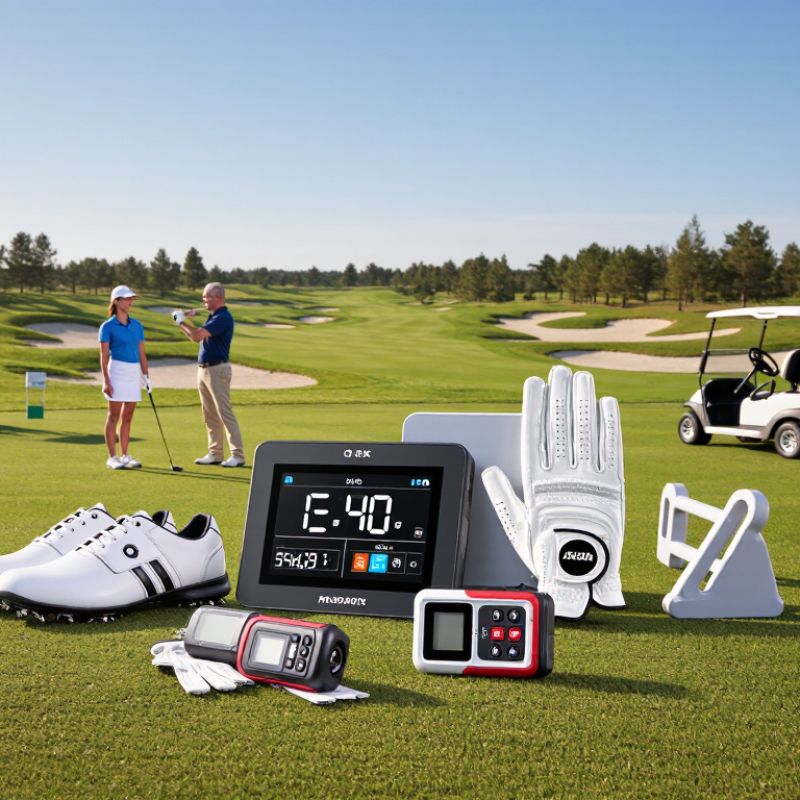
Choosing golf accessories in 2026 starts with an honest look at your game, not a crowded equipment aisle. A beginner who struggles to find the center of the clubface may benefit more from alignment aids and a simple rangefinder than from specialty wedges. A lower-handicap player might value a launch monitor or a putting mirror to examine repeatable misses. The National Golf Foundation reported 26.6 million U.S. on-course golfers in 2023, a reminder that playing habits vary widely. Your own needs matter more than what is popular.
Match accessories to the conditions you actually face. Windy rounds call for a secure glove and an umbrella that can handle gusts; damp courses make a towel, rain cover, and extra grip care more useful. Walking golfers may prefer a lightweight bag and comfortable gloves, while cart users can prioritize storage and easy access. Check that any measuring device complies with the competition rules you play under. Small details count. A bulky accessory can become a distraction by the fourth hole.
Tips: Track three rounds of missed shots before buying anything. Note the lie, weather, and club involved. I still think it is easy to overpack; one useful tool beats a pocket full of gadgets. Recheck your choices after a few weeks, because the accessory that helps on a dry range may not help on wet fairways.
| Accessory | Best For | What to Consider | How It Can Help | Priority |
|---|---|---|---|---|
| Golf glove | Players who want a more secure grip, especially in warm or damp weather | Check fit, material, hand orientation, and whether the glove allows comfortable movement. A glove should feel snug without restricting the fingers. | Can reduce slipping and help maintain consistent grip pressure. Replace it when the palm becomes slick or the material wears through. | High |
| Golf balls | Beginners and experienced players choosing balls to suit their swing and preferred feel | Compare feel, durability, and price. Beginners may prefer affordable, durable balls; players with more consistent contact may benefit from testing different feel and spin characteristics. | Using a consistent ball type can make practice and on-course results easier to compare. No ball can compensate for poor contact or an unsuitable swing. | High |
| Rangefinder or GPS device | Players who want help estimating distances to targets and hazards | Consider display readability, ease of use, battery life, and whether the device provides the distance information you need. Confirm that device use complies with the rules of your event. | Provides distance information that can support club selection and course planning. It does not account for every factor, such as wind, lie, or elevation. | Medium |
| Alignment aids | Players working on aiming, setup, and putting start direction | Choose simple aids that can be used during practice, such as alignment sticks or marked practice balls. Check that practice aids are allowed for use during play. | Can help you rehearse consistent alignment and identify setup habits. Results depend on regular, focused practice. | High for practice |
| Golf towel | All players, particularly those playing in wet, muddy, or dusty conditions | Look for absorbent fabric and a practical attachment. Keep one section damp for cleaning and another dry for hands or grips. | Clean clubfaces and grips can help maintain predictable contact. Dry hands and grips are especially useful in humid or rainy weather. | High |
| Umbrella and rain cover | Players who regularly play in changeable or wet weather | Choose an umbrella that fits your bag and a cover that protects clubs while remaining easy to open. Check local course policies during storms. | Helps keep clubs, grips, and equipment dry. Avoid playing when lightning or other dangerous weather makes conditions unsafe. | Weather-dependent |
| Sun protection | Players exposed to strong sunlight or long rounds outdoors | Consider a comfortable cap or visor, sunglasses suited to outdoor use, sunscreen, and breathable clothing. Reapply sunscreen as directed on its label. | Supports comfort and helps reduce sun exposure during extended time outdoors. Shade and hydration are also important in hot conditions. | High in sunny weather |
| Divot repair tool and ball marker | Every player who wants to care for greens and mark a ball's position | Choose a compact tool that is comfortable to carry and use. Follow the course's guidance for repairing pitch marks and replacing the ball. | Supports course care and makes it easier to mark a ball when required. Repairing pitch marks promptly can help the putting surface recover. | High |
| Spare tees | All players, with tee height adjusted to the club and shot being played | Carry a few durable tees in suitable lengths. Use a consistent tee height during practice when comparing driver results. | Reduces interruptions and helps make tee setup more repeatable. Tee height should be adjusted to your club, ball position, and preferred contact. | High |
| Water bottle and snacks | Players playing long rounds, walking the course, or golfing in warm conditions | Use a leak-resistant bottle and pack snacks that are easy to carry. Follow course rules and consider your personal dietary needs. | Helps you maintain access to fluids and food during a round. Needs vary with weather, activity level, and individual health considerations. | High for long rounds |
Set one total amount before browsing. Divide it among performance, comfort, durability, and replacements. Keep a small reserve.
Fix the clearest problem first. A worn glove may matter more than a new training gadget. Start with actual discomfort or poor results.
Ask whether you will use each feature during practice or play. Basic equipment often solves common problems better. Extra functions can become expensive clutter.
Try gloves and other wearable items in person when possible. Check for bunching, pressure, and restricted movement. A good-looking fit can still feel wrong later.
Inspect stitching, closures, cleaning needs, and material thickness. Rain, dirt, and repeated handling reveal weaknesses quickly. Low price is not always cheaper.
Treat them as incomplete evidence. Read detailed user feedback and inspect return terms before buying. Real use may expose problems that photos hide.
A basic measuring device may help clarify carry distances. Record ten iron shots and compare distance, launch, and dispersion. More data is not automatically better.
Use a putting gate for face-angle problems. For short games, place a landing target and record proximity from several lies. Keep the setup simple.
Choose a distance tool showing front, middle, and back measurements. Use slow-motion video beside a marked alignment line. A paper log can reveal habits screens miss.
Review your goal every four weeks. Note what you actually used after several rounds. I sometimes chased perfect numbers instead of better contact.
Choosing the right golf accessories begins with understanding your personal needs, skill level, and typical playing conditions. Consider whether you need greater comfort, better organization, improved club protection, or easier course navigation. A realistic budget can help you balance performance, durability, and convenience without buying unnecessary items. Essential accessories may include club covers, gloves, towels, tees, a reliable golf bag, and practical tools for measuring distance or reading the course.
The best accessories should also support your specific improvement goals. Training aids can help with alignment, swing consistency, putting, or distance control, while selected technology tools may provide useful feedback during practice. Before making a final decision, test and compare options for comfort, ease of use, and quality. Learning how to choose the right accessories for golf improvement also means maintaining them properly, storing them safely, and replacing worn items when necessary. This approach helps every purchase provide lasting value and contribute to a more confident, enjoyable game.

 Lulit Golf